
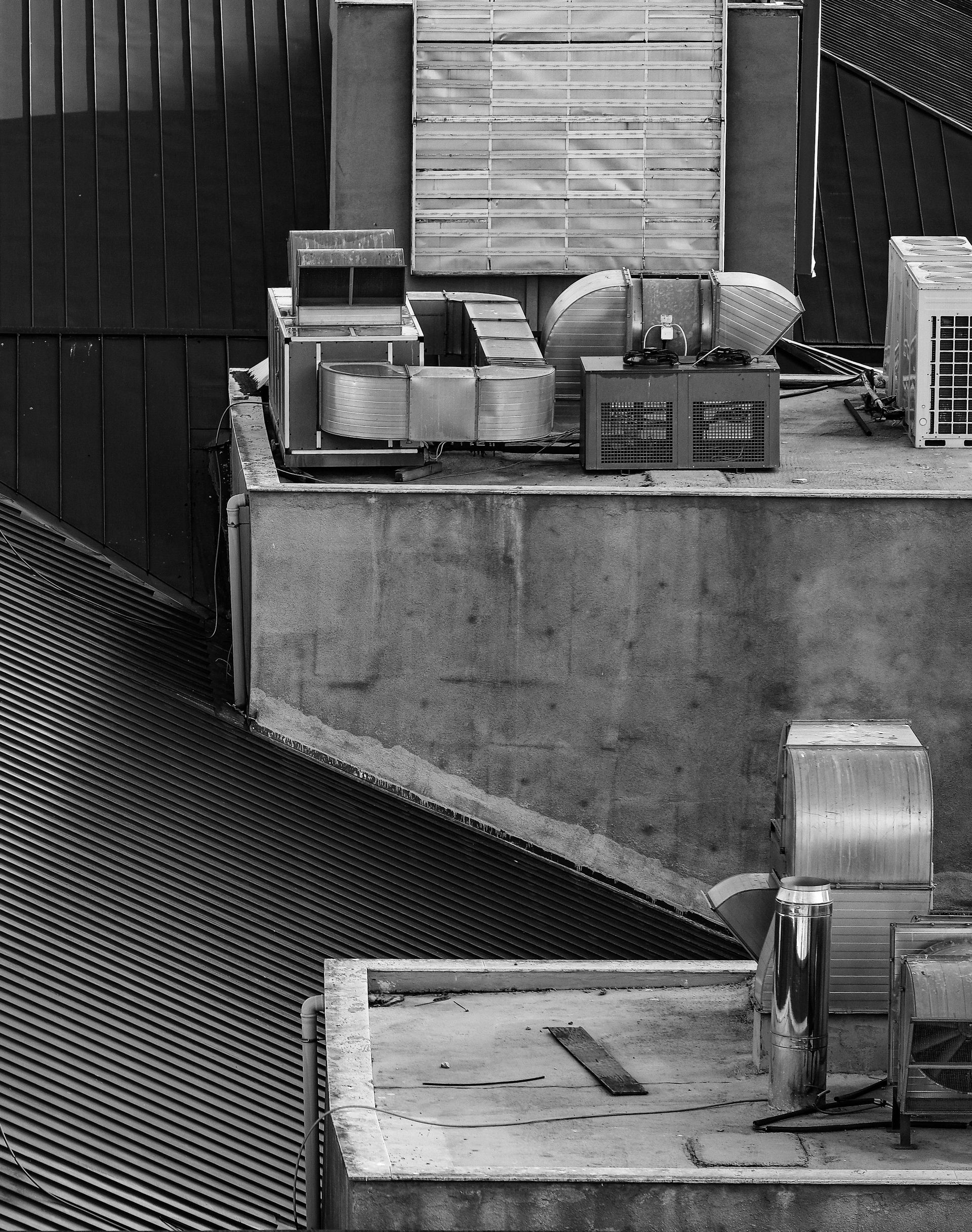
Reliable Climate Control for Business Spaces
Commercial HVAC Services in St. Louis for offices, retail spaces, and properties where comfort affects productivity
A failing rooftop unit during an August afternoon or a heating system that quits on a January morning creates immediate problems for businesses—employees become distracted, customers leave, and operations slow. Comfortable Carla's delivers commercial HVAC services for offices, retail spaces, and similar properties throughout St. Louis, Festus, Oakville, and surrounding areas, addressing installation, repair, preventive maintenance, airflow management, and system efficiency.
Your building faces seasonal temperature swings from subfreezing winters to humid summers above 90°F, and mechanical systems must handle those extremes while accommodating variable occupancy, heat-generating equipment, and ventilation requirements that differ from residential properties.
Commercial service begins with understanding your building's specific demands—square footage, occupancy patterns, ceiling heights, glass area, internal heat loads from lighting and equipment, and whether the space requires zoned temperature control. Technicians assess existing equipment capacity, ductwork layout, thermostat placement, and whether the system can meet current comfort needs without running continuously or cycling excessively.
Request an on-site assessment to evaluate your building's heating and cooling requirements.
How Commercial HVAC Addresses Business Demands
Commercial systems differ from residential equipment in scale, configuration, and operating hours. Rooftop units consolidate heating and cooling components in a single weatherproof enclosure, simplifying installation on flat-roof buildings common in retail and office construction. Split systems separate condensing units from air handlers, allowing equipment placement that works around architectural constraints or phased building expansions. Variable air volume systems adjust airflow to different zones based on occupancy and heat loads, preventing simultaneous heating and cooling waste in buildings with varying internal demands.
When commercial HVAC service is completed correctly, your building maintains set temperatures during occupied hours without temperature complaints from staff or customers. Equipment starts reliably each morning and responds promptly to thermostat calls. Airflow reaches all occupied areas without dead zones where temperature drifts occur. Systems operate without the rattling, squealing, or odor issues that signal failing components, and utility costs remain predictable rather than climbing due to inefficient operation or equipment that runs constantly to compensate for capacity loss.
Maintenance intervals for commercial equipment typically follow manufacturer recommendations based on operating hours—systems running 10–12 hours daily during business operations need more frequent filter changes, coil cleaning, and belt inspections than residential systems. Buildings with high customer traffic, nearby construction dust, or kitchens require additional attention to filtration and exhaust systems that affect indoor air quality and code compliance.
Answers to Frequent Service Questions
Business owners managing climate control for occupied commercial spaces typically ask these questions when evaluating HVAC service needs.
What causes uneven temperatures across different areas of a commercial building?
Zoning problems often result from undersized ductwork to perimeter offices, thermostat placement in areas not representative of overall building temperature, single-zone systems serving spaces with different heat loads, or supply vents blocked by furniture or stored materials. Technicians measure temperature differentials and airflow at multiple locations to identify whether the problem requires airflow adjustments, damper installation, or equipment rezoning.
How quickly can emergency commercial HVAC repairs be completed?
Response time depends on equipment accessibility, parts availability, and the nature of the failure. Rooftop units on buildings with ladder access and standard components like capacitors or contactors can often be repaired within hours. Systems requiring refrigerant leak repair, compressor replacement, or control board diagnostics may need components ordered and multiple service visits, making preventive maintenance critical for avoiding unexpected downtime during extreme weather.
What maintenance tasks reduce the likelihood of mid-season failures?
Scheduled maintenance includes filter replacement, condensate drain clearing, coil cleaning, refrigerant pressure checks, electrical connection tightening, belt inspection and adjustment, blower motor lubrication, and thermostat calibration. These tasks address the most common failure points before they cause system shutdowns, particularly in St. Louis where heavy cooling demand stresses compressors and humidity clogs condensate lines.
When should commercial HVAC equipment be replaced rather than repaired?
Replacement becomes necessary when equipment reaches 15–20 years of age with declining efficiency, when repair costs exceed 40 percent of replacement value, when refrigerant type is obsolete and prohibitively expensive, or when the system no longer meets building cooling or heating loads due to tenant improvements or occupancy changes that increased internal heat generation.
What factors affect commercial HVAC system sizing for St. Louis buildings?
Sizing calculations account for building square footage, insulation levels, window area and orientation, ceiling height, occupancy density, internal heat from lighting and equipment, ventilation requirements per building code, and local design temperatures—summer design conditions near 95°F and winter design temperatures around 5°F for St. Louis. Oversized equipment cycles too frequently and fails to dehumidify properly; undersized equipment runs continuously and cannot maintain comfort during peak conditions.
Comfortable Carla's evaluates heating, cooling, and ventilation for commercial properties where system reliability directly affects business operations. Contact us to discuss a commercial HVAC project or arrange an equipment assessment at your St. Louis area facility.